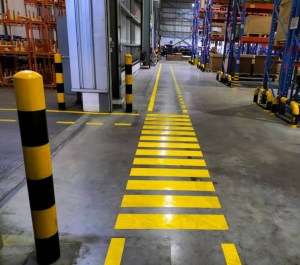
The Difference Between Regular Pavement Marking and Thermoplastic Pavement Marking

The Difference Between Regular Pavement Marking and Thermoplastic Pavement Marking

Pavement markings are essential for roadway safety, guiding drivers and pedestrians while maintaining an orderly flow of traffic. When it comes to pavement marking materials, two of the most common options are regular pavement marking paint and thermoplastic pavement marking. Understanding the key differences between these two methods can help municipalities, businesses, and contractors make the best choice for their specific needs.

Regular Pavement Marking Paint

Regular pavement marking consists of liquid paint applied directly to the surface of the pavement. This paint can be either water-based or solvent-based, depending on the application and environmental regulations.

Advantages of Regular Pavement Marking:

  • Cost-Effective: Regular pavement marking is typically more affordable upfront compared to thermoplastic materials.

  • Quick Application: It can be applied with standard striping machines, making it a fast and convenient solution.

  • Versatile: Suitable for various surfaces, including parking lots, roads, and private properties.

  • Easy Maintenance: Since it wears off faster, it allows for easy modification of markings if traffic patterns change.

Disadvantages of Regular Pavement Marking:

  • Shorter Lifespan: Regular paint markings wear out quickly, often needing reapplication within 6 months to 2 years, depending on traffic and weather conditions.

  • Less Durable: It is more susceptible to wear from traffic, snowplows, and harsh weather.

  • Lower Visibility: Over time, regular paint fades, reducing reflectivity and effectiveness, especially at night.

Thermoplastic Pavement Marking

Thermoplastic pavement marking is a more durable option made from a combination of pigments, glass beads, and binder resins. It is applied using heat, which melts the material and bonds it to the pavement surface, creating a thick and durable marking.

Advantages of Thermoplastic Pavement Marking:

  • Superior Durability: Thermoplastic markings last significantly longer than regular paint, often up to 5 years or more.

  • High Reflectivity: Glass beads embedded in the material enhance nighttime visibility and overall safety.

  • Resistant to Wear: More resistant to traffic wear, weather conditions, and snowplows.

  • Enhanced Safety Features: Can include raised profiles for improved skid resistance and better wet-night visibility.

Disadvantages of Thermoplastic Pavement Marking:

  • Higher Initial Cost: Thermoplastic application requires specialized equipment and materials, making it more expensive upfront.

  • More Complex Application: Requires professional installation with heating equipment, making it less flexible for quick re-striping jobs.

  • Not Ideal for All Surfaces: Works best on asphalt and may not bond well to older or heavily deteriorated pavement.

Which Option Is Right for You?

The choice between regular pavement marking and thermoplastic marking depends on factors such as budget, traffic volume, and durability needs:

  • For short-term or low-traffic applications (such as parking lots or temporary construction zones), regular pavement marking paint is often the best choice.

  • For high-traffic roadways, highways, and long-term applications, thermoplastic pavement marking provides a cost-effective solution in the long run due to its durability and visibility.

Both options play a crucial role in roadway safety and organization. By considering factors like longevity, cost, and visibility, you can determine the best pavement marking method for your specific project needs.

Need Pavement Marking Services?

At AMP Pavement Marking, we specialize in high-quality pavement marking solutions, whether you need standard paint or durable thermoplastic markings. Contact us today to discuss your project and get a quote!

More To Explore

Share this:

Like this:

Like Loading…

Discover more from Parking Lot Striping Columbus, Ohio

Subscribe now to keep reading and get access to the full archive.

Continue reading